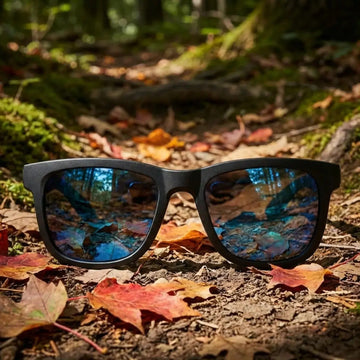
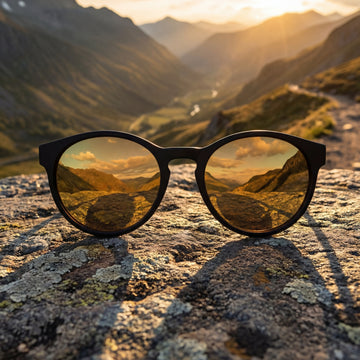
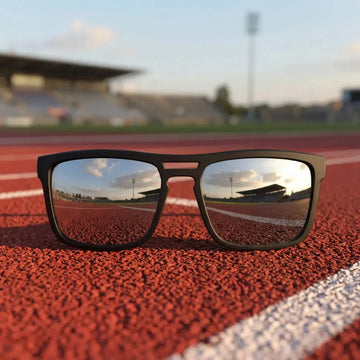
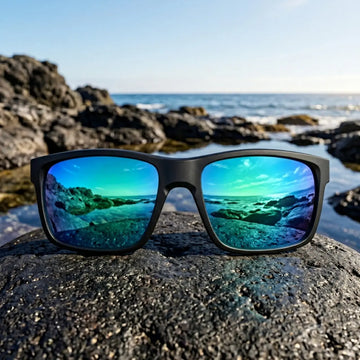
Phone and watch screens can look rainbow, striped or unusually dark through some polarized sunglasses because the lens and the display both filter light by direction. For 2nu, the answer is not switching to non-polarized lenses. Hexachroma is polarized for outdoor glare control and designed to stay more readable on phones, sports watches, car displays and navigation screens.
The short answer
The rainbow or blackout effect is usually a filter-angle interaction between polarized lenses and digital displays, not automatically a damaged phone or a useless lens. If you often check a phone, GPS, sports watch or dashboard outdoors, choose glare control and screen readability together.
Why polarization and screens can clash
Polarized lenses reduce certain reflected glare from roads, water and bright surfaces. Many phone and watch screens also emit polarized light. When those two filters meet at certain angles, the display can look darker, tinted, striped or rainbow-like.
That is why a lens that feels excellent against water glare can still frustrate outdoor screen checks. The buying question is not "polarized or not" in the abstract. It is whether you need traditional polarized performance, or polarized performance that stays more usable with screens.
Hexachroma: polarized and screen-friendly
Hexachroma is 2nu's advanced polarized option for shoppers who want outdoor glare control without giving up phone and watch readability. It is not a non-polarized workaround. Compare it on the Lens Difference page alongside TVO and TVO Pro before you decide.
- Keep UV400 as the protection baseline.
- Use polarization when reflected glare matters.
- Choose Hexachroma when screen checks are part of the outdoor routine.
What to check before you buy
Confirm UV400 protection, then test or compare how the lens behaves with your phone, sports watch and any navigation display you actually use. For Singapore outdoor routes, humid runs, bright pavement and quick shade-to-sun changes often make both glare and screen readability relevant on the same day.
FAQ
Should I buy non-polarized sunglasses to fix rainbow screens?
Not as the 2nu answer. If you want glare control and better outdoor screen readability, compare Hexachroma rather than dropping polarization by default.
Does Hexachroma still reduce glare?
Yes. Hexachroma remains a polarized option aimed at outdoor glare control while improving screen readability versus many traditional polarized lenses.