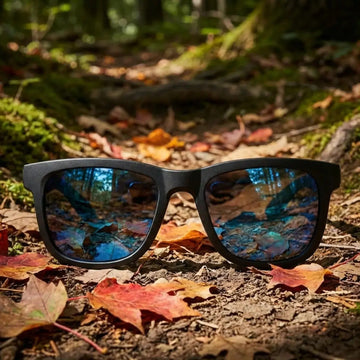
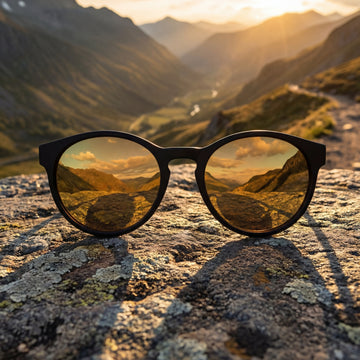
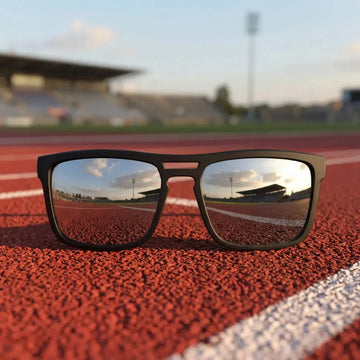
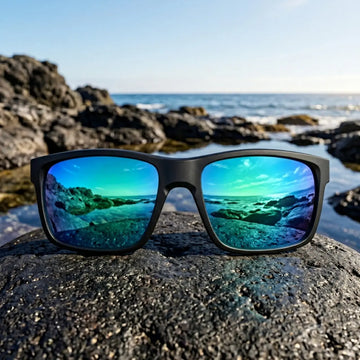
UV400 and polarization do different jobs. UV400 is the protection baseline for UVA and UVB, while polarization reduces reflected glare from surfaces such as roads and water. For Malaysia outdoor use, confirm UV400 first, then decide how much glare control, visible-light comfort, screen readability and stable fit your activity needs. Use the 2nu lens difference guide to compare those checks separately.
Choosing between UV400 and polarized sunglasses is not an either-or decision. One describes ultraviolet protection; the other describes how a lens handles reflected glare. A good outdoor pair may use both, but the labels still do not tell you everything about tint, screen visibility, frame fit or long-wear comfort.
That distinction matters when one pair has to work across bright roads, open water, shaded paths, driving and quick phone or watch checks. Start with protection, then build the rest of the decision around what you actually need to see.
UV400 is the protection check, not a measure of lens darkness
UV radiation is invisible, so you cannot judge UV protection by looking at the lens. A dark tint can make visible light feel calmer without proving how much UVA or UVB the lens blocks. The useful buying signal is a clear UV400 or 99–100% UVA/UVB protection statement from a source you trust.
The National Eye Institute's sunglasses guidance recommends UV-blocking lenses as the first feature to check and specifically points buyers toward 99–100% UVA/UVB protection or a UV400 rating. It also advises choosing for fit and activity, which is why protection should be treated as the baseline rather than the whole purchase decision.
Keep these three ideas separate:
- UV400: protection against UVA and UVB.
- Tint depth: how bright or dark the visible scene feels.
- Lens colour: how contrast, colour comfort and visual detail feel in a specific environment.
A very dark lens without a clear protection statement is not a stronger choice. A lighter-looking lens can still provide UV400 protection when it is correctly specified.
Polarization is for reflected glare from roads, water and flat surfaces
Polarized lenses reduce much of the horizontal reflected glare that can build across wet roads, water, glass and other broad surfaces. This can improve visual comfort when glare is the main problem, especially during driving, fishing, boating or long sessions beside water.
Polarization does not replace UV400. A polarized label tells you about glare control, not the full ultraviolet-protection specification. It also does not guarantee that the tint will suit every light level or that every digital display will remain easy to read.
When glare is frequent, compare the lens families and frame coverage across all 2nu performance sunglasses. Look beyond one badge: check the exact lens family, the activity, the amount of open-surface glare and how long you will wear the frame.
Screen readability is a separate test for polarized lenses
Some phones, watches, GPS units and dashboard displays can look darker, uneven or rainbow-coloured through polarized lenses at certain angles. The display and lens both control light direction, so rotating the device or tilting your head can change what you see.
This does not mean polarization is unsuitable outdoors. It means the exact screen-dependent action should be tested before a long run, drive or water session. The 2nu guide to why sunglasses make phone screens look rainbow explains the interaction and gives a practical checking method.
Hexachroma is 2nu's highest-tier polarized lens family. It is designed to reduce reflected glare while keeping phone, watch and navigation displays more readable than many conventional polarized lenses, reducing the usual screen-blackout problem. The device and viewing angle can still affect the result, so real-use checks remain important.
Choose by activity after confirming UV400
Once UV400 is confirmed, let the environment decide whether polarization is important:
- Road running and cycling: balance glare control with road detail, changing light and watch checks.
- Hiking: keep trail texture readable as the route moves between shade and open sun.
- Driving: consider road glare and dashboard or navigation visibility together.
- Fishing and water use: polarization is especially useful for broad water-surface glare, but UV400, secure coverage and seawater care still matter.
- Everyday outdoor use: prioritize a balanced tint, low-pressure comfort and a frame that stays stable without feeling over-tight.
The practical order is simple: confirm UV400, identify the main glare source, check screen readability, then evaluate tint, frame coverage and fit. This prevents one feature from being mistaken for the complete answer.
Fit and care still decide whether the sunglasses work outdoors
A well-specified lens is less useful if the frame slips with sweat, presses at the temples or lets distracting side light enter around the lenses. Check nose contact, head width, cheek and lash clearance, temple pressure and stability during movement. A frame should stay in position without relying on excessive tightness.
After sweat, sunscreen or seawater exposure, rinse away residue before wiping. Use a clean microfibre cloth and allow the frame to dry before storage. For cleaning, returns and Lifetime Care guidance, use 2nu Customer Care.
The best choice is not “UV400 or polarized.” It is UV400 protection plus the right glare control, screen behaviour, tint, fit and care routine for the way you use sunglasses outdoors.
FAQ: UV400 vs polarized sunglasses
Is UV400 better than polarization?
They are not competing ratings. UV400 describes UVA and UVB protection, while polarization reduces reflected glare. Confirm UV400 first, then decide whether your activity benefits from polarization.
Are all polarized sunglasses UV400?
Do not assume so from the polarized label alone. Check the product's stated UV protection separately.
Do darker sunglasses block more UV?
Not necessarily. Tint darkness changes visible brightness; it does not prove stronger ultraviolet filtering.
Why can polarized sunglasses make a phone screen look dark?
The lens and display can interact at certain angles because both control light direction. Test the exact device and viewing angle you use outdoors.