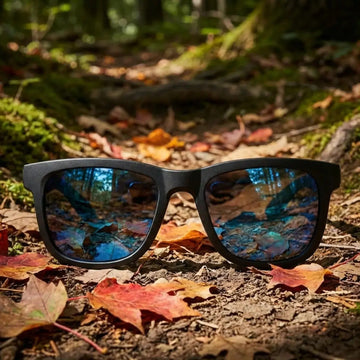
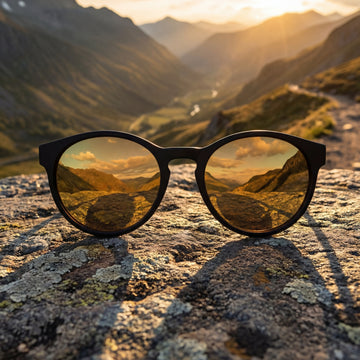
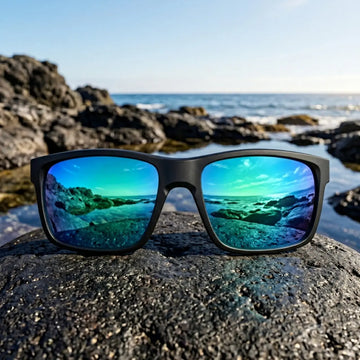
Sunglasses slipping during hiking matters more downhill because descent increases repeated forward impact, body movement, and sweat around the contact points. A frame that feels acceptable on level ground can become distracting on a steep trail, which is why stable fit should be treated as part of outdoor performance rather than a minor comfort preference.
The problem usually shows up after the trail changes
Many hikers only notice fit problems once the route turns downward. On flat ground, a frame can feel secure enough because head movement is more even and the body stays relatively upright. During descent, that changes quickly. Each step sends a small forward shock through the body, and the sunglasses start shifting at the nose bridge or temples. That is why a hiking setup should be judged in the same real conditions it will actually face, not only by how it feels at rest. For terrain-specific options, the 2nu hiking collection is the most relevant starting point.
The mistake is to treat sliding as a minor annoyance. On a narrow or rocky downhill section, even a brief need to push sunglasses back into place can interrupt rhythm, sightline, and footing.
The cause is movement control, not just frame weight
People often assume lighter automatically means more stable, but that is incomplete. Weight helps, yet the bigger issue is how the frame holds position when sweat builds and impact repeats. As explained in how frame material and design matter, stability comes from the overall relationship between frame structure, contact points, and how the frame behaves under real outdoor movement.
Sweat makes the problem worse by reducing friction where the sunglasses touch the skin. That is also why slipping often feels more severe in warm, damp conditions, similar to the pattern described in why sunglasses slip more in high humidity. Downhill hiking combines both triggers at once: repeated movement and reduced grip.
The consequence is loss of focus at the wrong moment
When sunglasses move every few minutes, the consequence is not only irritation. A hiker may start shortening stride, lifting a hand toward the frame, or glancing away from the trail to readjust. That repeated interruption matters more on loose gravel, uneven stone, or any section where foot placement needs attention. Good eyewear should reduce friction outdoors, not create another task to manage.
Over a longer walk, small corrections add up mentally as well. Instead of trusting the frame and keeping attention on the path, the wearer starts monitoring whether the sunglasses are about to slide again. That is a poor trade for anyone using performance eyewear in the hills.
The practical solution is to choose fit for real trail use
The right solution is to prioritize stable contact under movement, especially if hiking is a regular part of your week. A dependable frame should remain composed when pace changes, the body leans forward, and sweat begins to build. If fit questions remain after comparing styles, the 2nu support page is the best place to check practical guidance before choosing.
For hiking, the standard should be simple: if the frame distracts you on the descent, it is not yet doing its job. Stable fit is not extra. It is part of what makes outdoor sunglasses genuinely usable on the trail.